

Choosing the proper manufacturer is crucial for the success of your product. A good manufacturer ensures high quality, timely delivery, and fair pricing.
In this guide, we’ll walk you through selecting the best manufacturer for your needs.
What is Your Need to Choose The Right Manufacturer?
1) Product Requirements
The first step in choosing the proper manufacturer is understanding your product’s requirements.
This includes materials, design specifications, and any unique features. A clear understanding of these elements helps identify manufacturers specializing in your product category.
2) Budget Considerations
Establishing a budget early on is essential. Consider all costs, including production, shipping, and any potential tariffs.
Balancing cost with quality will help you avoid compromises that could impact your product’s success.
3) Timeline Expectations
Set realistic timeline expectations for production and delivery.
Discuss these timelines with potential manufacturers to ensure they meet your deadlines without compromising quality.
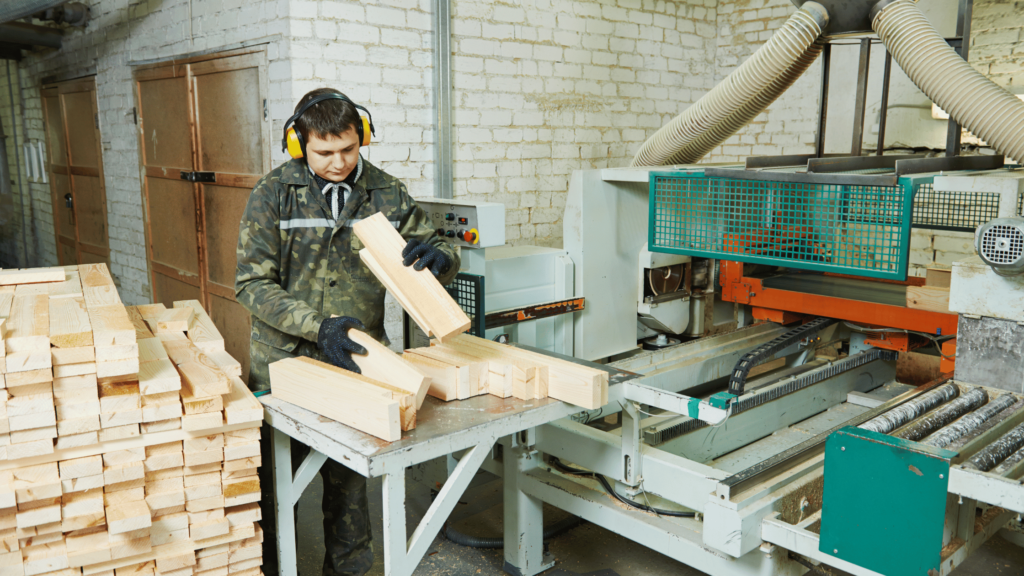
Find Potential Manufacturers
1) Industry Experience
Look for manufacturers with substantial experience in your industry. Experienced manufacturers are more likely to understand the nuances of your product requirements and have established processes for quality control.
2) Reputation and Reviews
Check the reputation of potential manufacturers through online reviews, industry forums, and referrals.
Positive reviews and testimonials from other businesses can give you confidence in a manufacturer’s reliability.
3) Certification and Compliance
Ensure the manufacturer complies with industry standards and holds necessary certifications.
This might include ISO certifications or compliance with safety and environmental regulations relevant to your product.

Manufacturing Capabilities
1) Technology and Equipment
Assess the technology and equipment used by the manufacturer.
Advanced machinery and technology can lead to better product quality and efficiency in production.
2) Production Capacity
Consider the manufacturer’s production capacity.
Ensure they can handle your order volume for initial production runs and potential future scaling.
3) Quality Control Processes
Investigate the manufacturer’s quality control processes.
Consistent quality assurance checks at various production stages help maintain high standards for your product.
Assessing Financial Stability
1) Financial Health
Review potential manufacturers’ financial health. A financially stable manufacturer is less likely to experience disruptions that could affect your production schedule.
2) Payment Terms and Conditions
Discuss payment terms and conditions upfront. Clear terms help manage cash flow and avoid disputes later on.
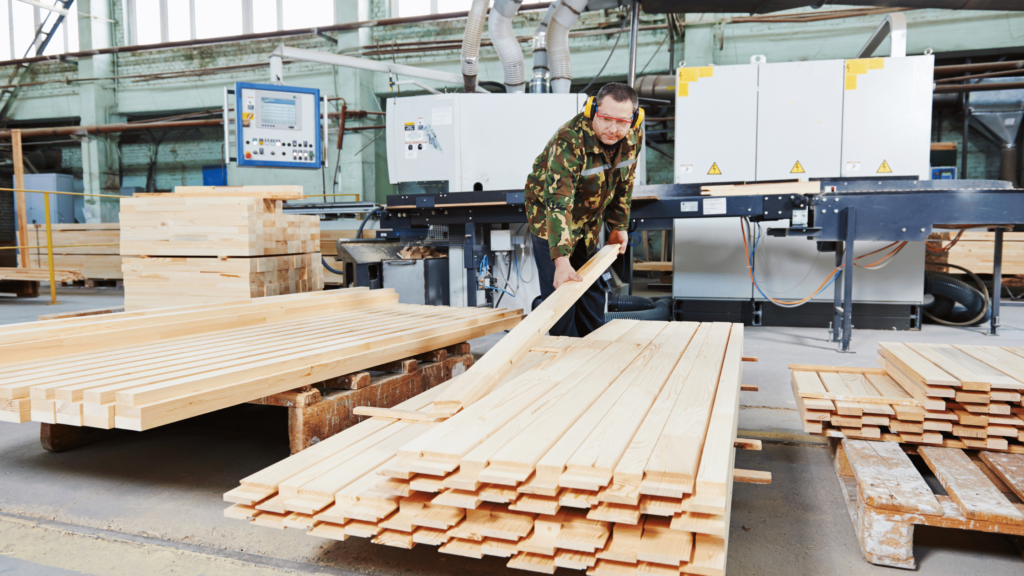
Location and Logistics
1) Proximity and Shipping Costs
Consider the manufacturer’s location of your target market. Proximity can reduce shipping costs and lead times, improving overall efficiency.
2) Import and Export Regulations
Be aware of any import and export regulations that might impact your product. Manufacturers familiar with these regulations can help navigate potential legal and logistical challenges.
Communication and Transparency
1) Responsiveness and Communication Channels
Effective communication is vital. Evaluate how responsive the manufacturer is to inquiries and their preferred communication channels. Good communication fosters a better working relationship.
2) Transparency in Operations
Seek transparency in the manufacturer’s operations. Regular updates and openness about production processes build trust and keep you informed about the status of your orders.
Ethical and Environmental Considerations
1) Ethical Manufacturing Practices
Prioritize manufacturers that adhere to ethical labor practices. Ensuring fair wages and safe working conditions aligns with responsible business practices.
2) Environmental Sustainability
Choose manufacturers committed to environmental sustainability. This includes using eco-friendly materials and processes, which can also enhance your brand’s reputation.
Negotiating Contracts and Agreements
1) Key Contract Terms
Clearly outline key contract terms, including pricing, delivery schedules, and quality standards. A detailed contract protects both parties and sets clear expectations.
2) Negotiation Tips
Approach negotiations with a collaborative mindset. Aim for win-win outcomes that build long-term relationships rather than short-term gains.
Testing and Prototyping
1) Importance of Prototyping
Prototyping is crucial for identifying potential issues before full-scale production. It allows you to make necessary adjustments and ensures the final product meets your specifications.
2) Pilot Production
Conduct a pilot production run to test the manufacturing process and product quality further. This step helps fine-tune the production workflow and mitigate risks.
Building a Long-term Partnership
1) Establishing Trust
Trust is the foundation of a successful manufacturer relationship. Build trust through consistent communication, transparency, and mutual respect.
2) Continuous Improvement
Encourage a culture of continuous improvement. Regularly review processes and performance to identify areas for enhancement and maintain high standards.
Dealing with Challenges
1) Problem-solving Strategies
Be prepared for challenges in the manufacturing process. Develop problem-solving strategies and maintain flexibility to adapt to unforeseen issues.
2) Maintaining Flexibility
Flexibility is critical to overcoming challenges. A manufacturer that can quickly adjust to changes in demand or production needs will be a valuable partner.
FAQs
How do I verify a manufacturer’s credentials?
To verify a manufacturer’s credentials, request certifications, check references, and review industry-specific compliance documents. Visiting the facility can also provide firsthand insights.
What should I look for in a quality control process?
Look for comprehensive quality control processes, including regular inspections, testing at various production stages, and adherence to industry standards. Consistency in quality control ensures a high-quality final product.
How important is location when choosing a manufacturer?
Location is essential for several reasons, including shipping costs, lead times, and regulatory considerations. Proximity to your target market can reduce logistics complexities and costs.
What are the risks of choosing the wrong manufacturer?
Choosing the proper manufacturer can lead to better product quality, missed deadlines, and increased costs. It can also damage your brand reputation and customer trust.
How can I ensure transparency from my manufacturer?
Ensure transparency by establishing clear communication channels, requesting regular updates, and visiting the manufacturing facility. A transparent manufacturer will openly share information about their processes and any potential issues.
What should be included in a manufacturing contract?
A manufacturing contract should include detailed terms about pricing, production schedules, quality standards, payment terms, and dispute resolution processes. Clear agreements protect both parties and set expectations.
Conclusion
Choosing the proper manufacturer involves thorough research, clear communication, and careful evaluation of various factors. Understanding your needs, assessing potential partners, and building a solid relationship can ensure a successful manufacturing partnership.


Absolute blast playing the slots here. The jackpot hit was unexpected but awesome. I am addicted to 777xzgame now.
Finally found a site where the bonuses actually feel fair. Had a great run on the slots last night! Definitely checking out ug234slot again this weekend.
Top tier experience for anyone looking to make some extra cash. The rewards program is very generous. Glad I found pkrich888.
Great customer support and very easy registration. I feel safe playing here because everything is transparent. Love vnsv168.
photo clothes remover ai clothes remover
Нужны скины? lis skins cs2 по выгодным ценам — большой выбор популярных предметов для Counter-Strike 2. Найдите редкие ножи, перчатки, оружие и другие скины для игры. Быстрая покупка, удобный каталог и актуальные цены на скины CS2.
Нужны скины? обмен скинов кс обменивайте скины CS2, Rust, Dota 2 и TF2 быстро и выгодно! Удобный обмен игровыми предметами, широкий выбор скинов, выгодные предложения и безопасные сделки. Покупайте, продавайте и обменивайте скины на одной платформе.
дакимакуры на заказ https://podushka-dakimakura.ru
Рассмотрите профессиональное оказываем складские услуги при временной нехватке площадей. Такой формат дает возможность рациональнее управлять товарными запасами. В складском комплексе обрабатывают паллетные партии. При необходимости предусматриваются маркировка продукции. Для интернет-магазина подобное решение помогает организовать логистику.
поверка теплосчетчика цена теплосчетчик пульсар поверка
Finally found a site that doesn’t crash during peak hours. The bonuses are actually fair and easy to claim at xin883.
Discover popular weed shop in prague reviews options and learn about store locations, opening hours, and available product categories. Review local listings, check current Czech regulations, and learn about CBD products and hemp-derived goods. Prepare your visit by checking reliable information, age restrictions, and applicable rules.
Explore local cannabis shop in prague website listings to learn about store locations, opening hours, and product categories. Review available information about CBD products, hemp goods, and local regulations. Prepare your visit by checking current opening times, age restrictions, and Czech laws.
Exploring reliable weed prague telegram customer reviews information can help visitors understand online discussions about cannabis culture in the Czech capital. Explore public communities covering local regulations, CBD products, travel tips, and cannabis-related news. Verify published information carefully, watch for misleading claims, and avoid suspicious accounts requesting advance payments.
Check local cannabis in prague prices information to understand Czech laws and available cannabis-related products. Review store details, CBD and hemp product categories, age restrictions, and local regulations before planning a visit. Check which products are permitted, what rules apply to possession and public use, and how requirements may differ by product type. Reliable information helps visitors make informed decisions, avoid misunderstandings, and stay aware of the legal requirements while visiting Prague.
Explore local cbd weed in prague information to understand Czech cannabis laws and the products legally available to adults. Review local regulations, age restrictions, and reliable information about licensed retail options and CBD products. Keep informed about legal limits, permitted uses, and rules for public spaces.
Недорогой комплексный ремонт ванной спб в квартире. Демонтаж старой отделки, монтаж освещения и мебели. Рассчитайте стоимость работ для создания уютной ванной комнаты.
иконки для инфографики участие в акциях ozon
seo ozon инструкция как архивировать карточку товара ozon
Планируете капитальный ремонт ванной комнаты под ключ в квартире. Монтаж сантехники, монтаж освещения и мебели. Рассчитайте стоимость работ для создания уютной ванной комнаты.
Больше на нашем сайте: https://loft-zonirovanie.ru