
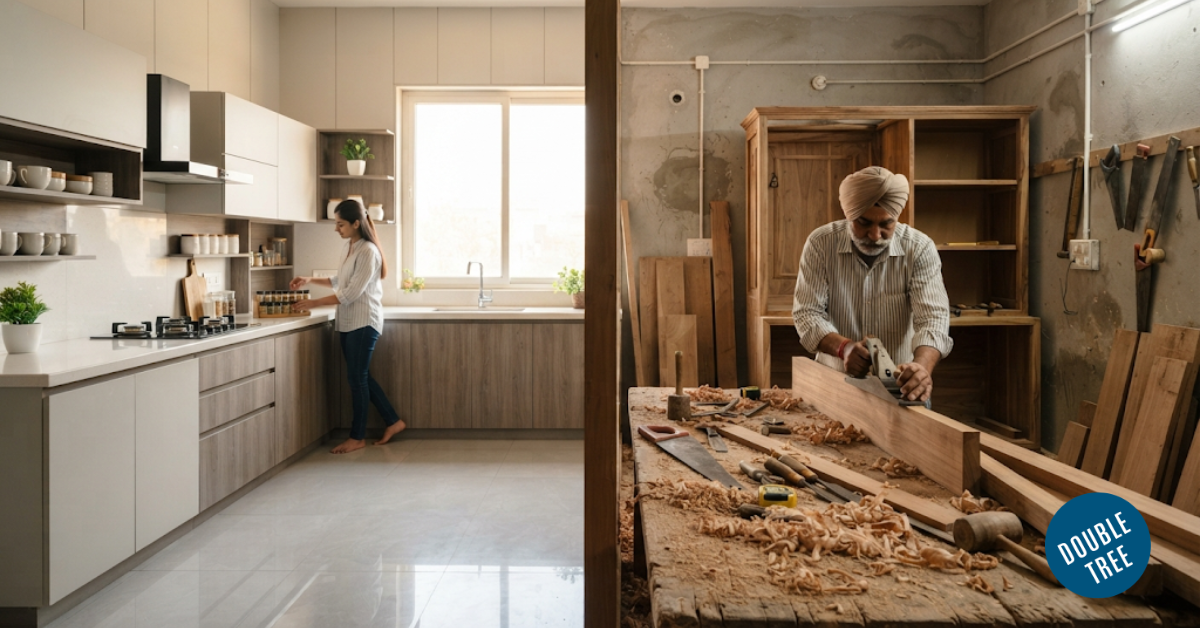
Furnishing a home in Lucknow often comes down to one big decision: go with factory-made modular furniture or classic on-site carpentry. Both can look great on day one, so the real choice is about what serves you for years.
This comparison of modular furniture vs. traditional furniture weighs both options fairly on cost, quality, time, and long-term value. By the end, you will know which approach suits your home, your budget, and how your family actually lives.
What Is Modular Furniture?
Modular furniture is built from pre-measured units that are manufactured in a factory and then assembled at your home. The components are standardised, but the layout is planned around your specific room.
This method brings a few defining traits:
- Units cut and finished with machine precision
- Consistent sizing across every cabinet and drawer
- Custom layouts planned through 2D/3D design
- Quick, clean assembly with little on-site mess
What Is Traditional Furniture?
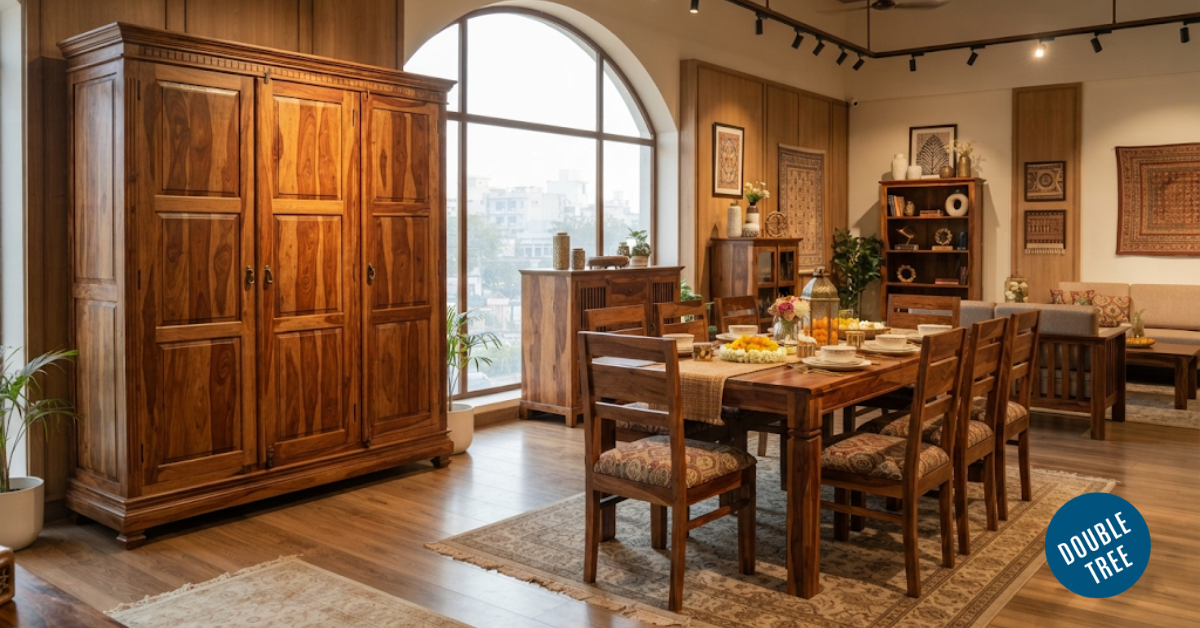
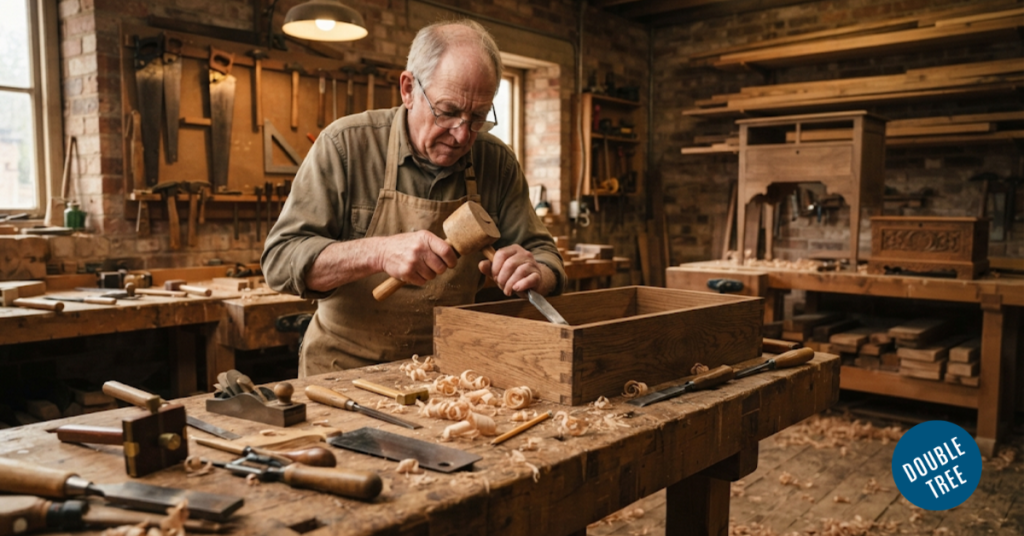
Traditional furniture is either built on site by carpenters or bought ready-made from a store. It relies on hand-crafting and carries a classic, familiar appeal that many families still value.
The quality here depends heavily on the individual carpenter. A skilled hand can produce beautiful work, but results vary from person to person, and the process is usually slower and messier than modular production.
Modular vs Traditional Furniture: Key Differences at a Glance
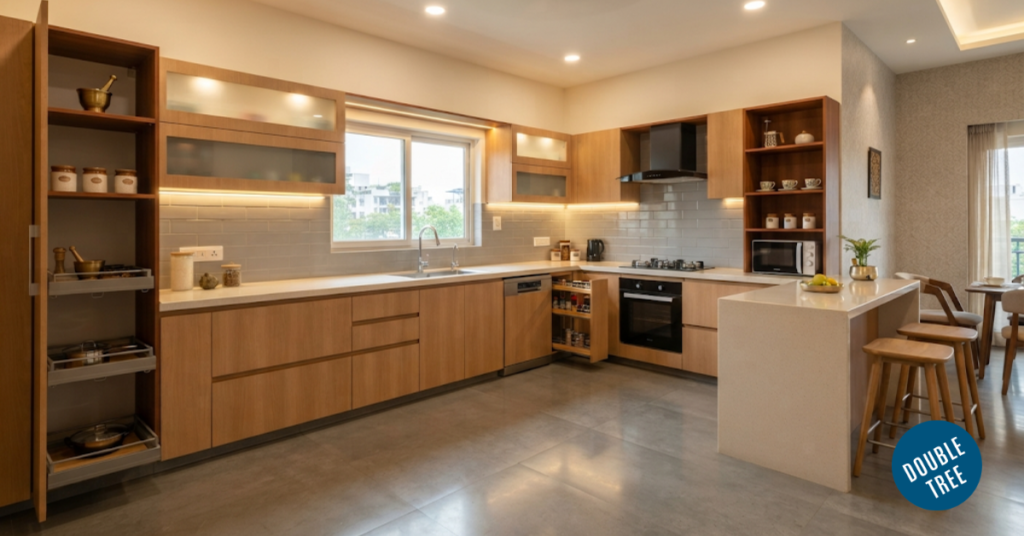
Before going deep, it helps to see how the two stack up across the factors that matter most in daily life. Each approach has clear strengths depending on what you value.
Here is the quick comparison:
- Build process: modular is factory-made and precise, traditional is hand-built and skill-dependent
- Finish: modular stays consistent, traditional varies by worker
- Time: modular is faster, traditional takes longer
- Cost: modular is transparent, traditional can hide rework and waste
- Customisation: modular uses planned design, traditional is flexible but less exact
Build Quality and Finish
Build quality is where the two approaches separate most clearly. Modular furniture is cut and finished by machines in a factory, so joints line up cleanly and the finish stays uniform across the whole set.
Traditional furniture depends on the carpenter working at your home. Even a good worker faces dust, weather, and hand-tool limits, which is why on-site finishing rarely matches the consistency of controlled factory production.
Cost Comparison
On paper, traditional furniture can look cheaper at first, but the full picture is more complex. On-site work often carries hidden costs like material wastage, rework for mistakes, and extra labour days that quietly stretch the budget well past the original estimate.
Modular furniture usually comes with clearer, upfront pricing tied to a fixed design. You know what you are paying before work begins, which makes budgeting easier and removes the risk of surprise costs appearing midway through the project.
Time and Convenience
Time is a major advantage for modular furniture. Since the units are made in the factory and only assembled at home, installation is quick and your home stays livable through most of the process.
Traditional carpentry takes longer and turns your home into a worksite for days or even weeks. The dust, noise, and disruption add up fast, especially for busy families who cannot afford a long, messy project running through their living space.
Customisation and Space Utilisation
Both approaches can be customised, but they do it differently. Modular furniture uses proper 2D/3D design and precise measurement, so every corner is planned and storage fits your space exactly.
Traditional furniture is flexible in that a carpenter can adjust on the go, but that often means less exact results. At Double Tree Kitchens, detailed measurement and design sessions ensure the units fit the room perfectly, with smart storage that suits how your family cooks and lives.
Durability and Material Quality
Durability depends more on the core material than on whether the furniture is modular or traditional. Weak particle board fails fast either way, while quality plywood holds up for years against heat, moisture, and weight.
This is where sourcing makes a real difference. Double Tree Kitchens uses calibrated, high-grade plywood supplied directly through its parent company, Kuldeep Plywood Industries, which keeps material quality steady and gives modular pieces a genuine durability edge.
Which One Should You Choose?
For most modern homes and busy families in Lucknow, modular furniture is the practical winner. It offers cleaner finish, faster installation, predictable cost, and smart use of space, all of which suit today’s lifestyle.
Traditional furniture still has its place for specific one-off pieces or heritage-style work where hand-crafting is the point. The honest answer is that the best choice depends on your priorities, but for everyday kitchens and storage, modular usually delivers more value with less hassle.
Common Myths About Modular Furniture
A few misunderstandings still make buyers hesitate about modular furniture. Clearing them up helps you judge both options on facts rather than old assumptions.
Here are the myths worth ignoring:
- “Modular is only for kitchens”: it works for wardrobes, storage, and full home interiors too
- “Modular cannot be customised”: proper 2D/3D design makes it highly tailored to your space
- “Traditional is always stronger”: strength comes from the core material, not the build method
- “Modular looks the same everywhere”: finishes, layouts, and materials can be personalised fully
Once these myths are set aside, the decision becomes simpler. You can weigh both choices on real factors like material, finish, cost, and service.
How Double Tree Kitchens Bridges Both Worlds
Double Tree Kitchens combines factory precision with genuine craftsmanship. Every project is measured and planned in detail, then manufactured in the Lucknow factory for accuracy and a clean finish.
Backed by premium plywood from Kuldeep Plywood Industries and an end-to-end process from 2D/3D design to skilled installation, the result is furniture that feels custom-made yet carries factory-level consistency and durability.
Making the Right Choice for Your Home
The comparison of modular furniture vs. traditional furniture comes down to what you value most: consistency, speed, and predictable cost, or hand-crafted, one-off character. For most homes, modular ticks more boxes and reduces the stress of a long, uncertain project.
If you are furnishing a home in Lucknow and want furniture that fits your space and lasts, reach out to Double Tree Kitchens for a design consultation. You can review the materials, see the 2D/3D design, and understand the process before you decide.
Frequently Asked Questions
Is modular furniture better than traditional furniture? For most modern homes, modular furniture offers cleaner finish, faster installation, and predictable cost. Traditional furniture suits specific one-off or heritage pieces where hand-crafting is the goal.
Is modular furniture more expensive? Not necessarily. Traditional work can hide costs through material waste and rework, while modular furniture usually comes with clear upfront pricing tied to a fixed design.
Does modular furniture last as long as traditional? Yes, when quality material is used. Durability depends on the core, and Double Tree Kitchens uses calibrated plywood from Kuldeep Plywood Industries for long-lasting results.
Which is faster to install? Modular furniture is much faster, since units are made in the factory and only assembled at home, keeping your space livable through most of the process.